Understanding Neurodivergent and Neurotypical Brains
Celebrating differences in how minds work
In recent years, the terms neurodivergent and neurotypical have become more common in conversations about mental health, education, and child development. Understanding what these words mean—and what they don’t mean—can help parents, educators, and communities create more supportive and inclusive environments.
What Does “Neurotypical” Mean?
A neurotypical brain refers to a person whose thinking, learning, emotional regulation, and behavior generally align with what society considers “typical” or expected for their age and culture. Neurotypical individuals usually develop language, social skills, and executive functioning in ways that fit standard developmental milestones and educational systems.
This does not mean neurotypical people never struggle. Anxiety, stress, learning challenges, and emotional ups and downs are part of being human. The term simply describes a brain that functions within commonly accepted norms.
What Does “Neurodivergent” Mean?
A neurodivergent brain functions differently from what is considered typical. Neurodivergence is not a diagnosis—it’s an umbrella term that includes neurological differences such as:
- Autism
- ADHD
- Dyslexia
- Auditory processing disorder
- Dyspraxia
- Tourette syndrome
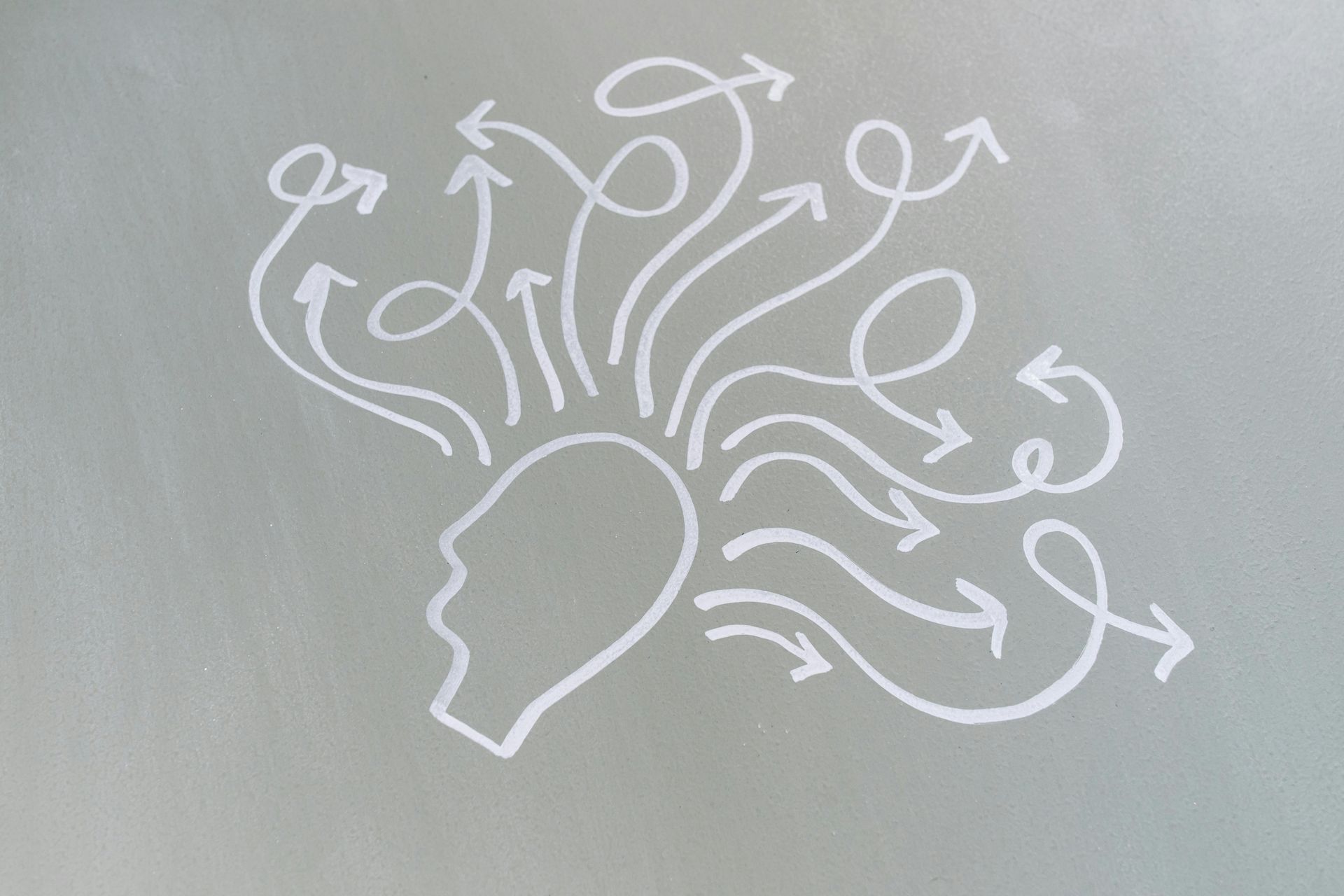
Neurodivergent individuals may process information, sensory input, emotions, and social interactions in unique ways. These differences can bring challenges, but they can also include incredible strengths like creativity, deep focus, problem-solving skills, empathy, and innovative thinking.
Key Differences in Brain Processing
While every brain is unique, some general differences may include:
- Sensory processing: Neurodivergent individuals may be more sensitive to sounds, lights, textures, or movement.
- Communication styles: Some may prefer direct language, need extra time to process, or communicate nonverbally.
- Attention and focus: Focus may fluctuate, become hyper-focused, or shift rapidly depending on interest.
- Emotional regulation: Emotions may feel more intense or take longer to settle.
These differences are not flaws—they reflect diversity in how brains are wired.
The Neurodiversity Perspective
The neurodiversity model views neurological differences as natural variations of the human brain rather than problems that need to be “fixed.” From this perspective, support is about accommodation and understanding, not changing who someone is.
For children, this might mean:
- Flexible learning environments
- Sensory-friendly spaces
- Strength-based approaches
- Patience and compassion
Why Language Matters
Using terms like neurodivergent and neurotypical helps shift the conversation from “normal vs. abnormal” to difference vs. diversity. Language shapes how children see themselves and how others respond to them. When we focus on understanding rather than labels, we create space for confidence, growth, and belonging.
Supporting All Brains
Whether a child is neurotypical or neurodivergent, they thrive best when they feel:
- Seen and understood
- Supported in their challenges
- Celebrated for their strengths
By learning about brain differences, we move toward a more inclusive world—one where every child’s way of thinking is valued.
There is no single “right” way for a brain to work. Neurotypical and neurodivergent brains both bring important perspectives to families, classrooms, and communities. When we honor these differences, everyone benefits.